
Baltic countries lead in supporting media freedom internationally
Baltic countries lead in supporting media freedom internationally
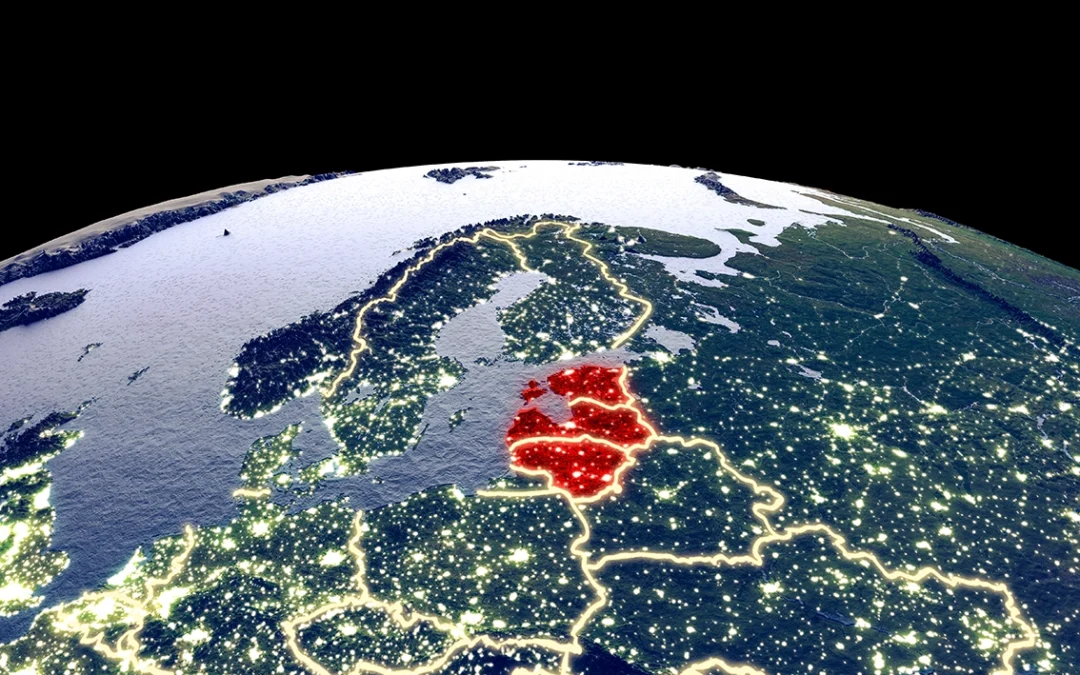
The Baltic states have emerged as global leaders in promoting media freedom internationally, according to a new Index on International Media Freedom Support (IMFS).
The IMFS Index evaluates countries on how actively they support media freedom beyond their borders through diplomatic, funding and safety efforts.
It is published by an independent group of academics at the University of East Anglia and City St George’s, University of London.
Lithuania topped the Index, reflecting its strong diplomatic efforts to advance media freedom and its visa program supporting journalists in exile, including from Belarus and Russia.
Estonia ranked 4th, while Latvia came 9th out of the 30 countries measured.
Report author Prof Martin Scott, from the University of East Anglia, said: “The Baltic states’ strong focus on supporting media freedom internationally likely reflects their political histories and mounting concerns about the threats of misinformation and propaganda.”
In a joint statement at the United Nations General Assembly in November last year, the Baltic countries stated: “Democracies need to act together to address disinformation, especially spread by foreign actors who seek to undermine our institutions and societies”.
Sweden ranked second in the Index, largely due to its strong financial support for independent journalism abroad. It allocated 0.9 per cent of its foreign aid to media support in 2023, well above the 0.16 per cent average among the 30 countries assessed.
However, for many larger countries, the results show a significant gap between their public commitments to supporting media freedom internationally and their actual support.
Four G7 members – the United Kingdom, United States, Italy, and Japan – were placed in the lowest ‘bronze’ category, scoring 10 points or less in the Index.
Prof Mel Bunce, one of the report authors at City St George’s, University of London, said: “Many G7 countries make commitments on the global stage to support media freedom financially and diplomatically. But they do not always deliver.”
Although the United States ranked equal 12th in the Index, a time lag in reporting means that this does not capture its significant cuts to aid spending in 2025, which have had a substantial impact on international media assistance.